

Ghana Faces Potential HIV Testing Kit Shortage by End of July
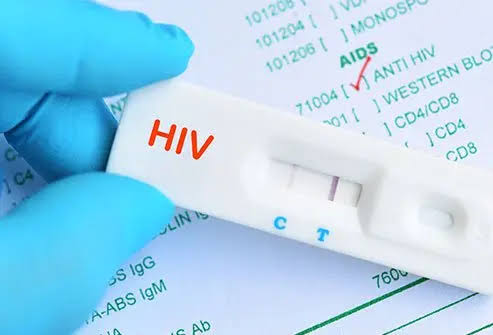
Accra, Ghana – Ghana faces the possibility of a nationwide shortage of HIV testing kits by the end of July, raising concerns about potential disruptions to HIV diagnosis, treatment, and prevention programmes if urgent action is not taken. The warning has been issued by stakeholders in the country’s HIV response system, who fear that dwindling supplies could affect ongoing efforts to control the epidemic.
HIV testing kits are essential for identifying infections early, facilitating timely treatment, and supporting interventions aimed at reducing transmission. They are particularly important in maternal healthcare services, emergency cases, and routine testing programmes.
Concerns Over Supply Depletion
According to health advocates, the current stock of both oral and blood-based HIV testing commodities is expected to last only until the end of July. Any interruption in supply could delay diagnosis and reduce access to critical healthcare services for individuals seeking HIV testing and treatment.
Health experts warn that shortages may result in fewer people being tested, increasing the likelihood of undetected infections and potentially undermining efforts to reduce transmission rates.
Impact on National HIV Targets
The potential shortage could affect Ghana’s progress toward achieving the global UNAIDS 95-95-95 targets, which seek to ensure that:
- 95% of people living with HIV know their status;
- 95% of those diagnosed receive treatment; and
- 95% of those on treatment achieve viral suppression.
Health stakeholders have stressed that consistent access to testing commodities is critical to achieving these objectives and improving public health outcomes.
Funding and Procurement Challenges
The current testing commodities were supplied through support arrangements involving international partners. However, concerns have emerged regarding the sustainability of supply due to funding constraints, procurement delays, and continued dependence on external support for HIV-related commodities.
Previous stakeholder engagements by the Ghana AIDS Commission highlighted concerns about recurring shortages of HIV commodities, including test kits and condoms, and emphasised the need for long-term solutions to strengthen supply resilience.
Calls for Urgent Intervention
Stakeholders are calling for immediate measures to avoid disruptions in HIV services. Recommended interventions include:
- Emergency procurement of testing commodities;
- Improved supply chain management;
- Increased government investment in HIV programmes;
- Development of local manufacturing capacity for essential HIV commodities; and
- Establishment of buffer stocks to reduce future supply risks.
These measures are expected to strengthen Ghana’s HIV response and reduce dependence on imported supplies.
Building a Sustainable HIV Response
Health experts have also reiterated the importance of strengthening domestic production and resource mobilisation as part of broader efforts to ensure uninterrupted access to HIV prevention, testing, and treatment services. Local production initiatives have previously been identified as a potential strategy to improve sustainability and reduce vulnerability to global supply disruptions.
Outlook
While efforts continue to maintain HIV services nationwide, the warning highlights the importance of proactive planning and investment in healthcare supply systems. Ensuring a stable supply of testing commodities will be critical to protecting recent gains in HIV prevention and treatment and advancing Ghana’s public health goals.